29
Apr
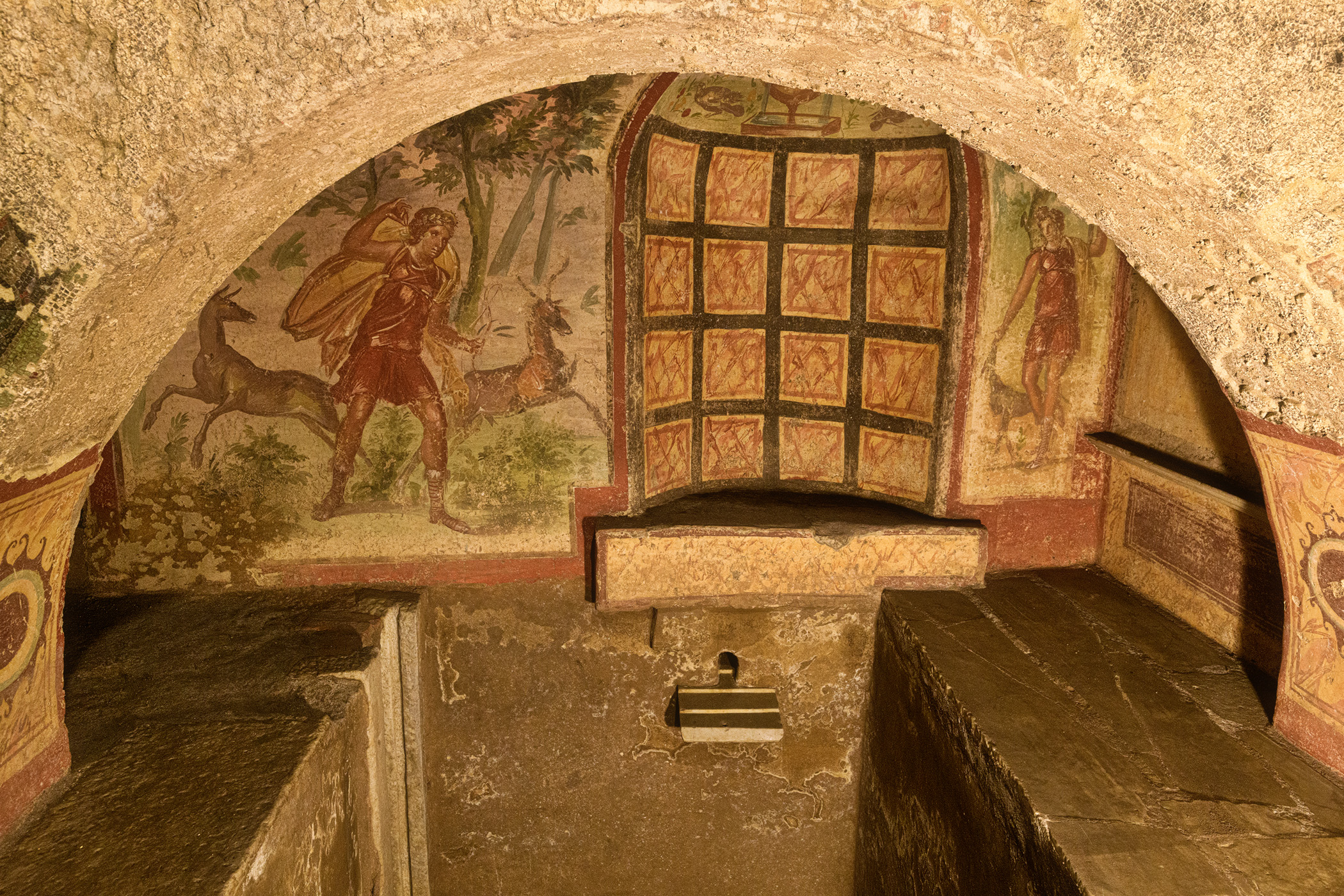
Hypogeum in via Livenza, Rome
This is an underground site discovered by chance in 1923, the hypogeum in via Livenza, in Rome
Read more
This is an underground site discovered by chance in 1923, the hypogeum in via Livenza, in Rome
Read more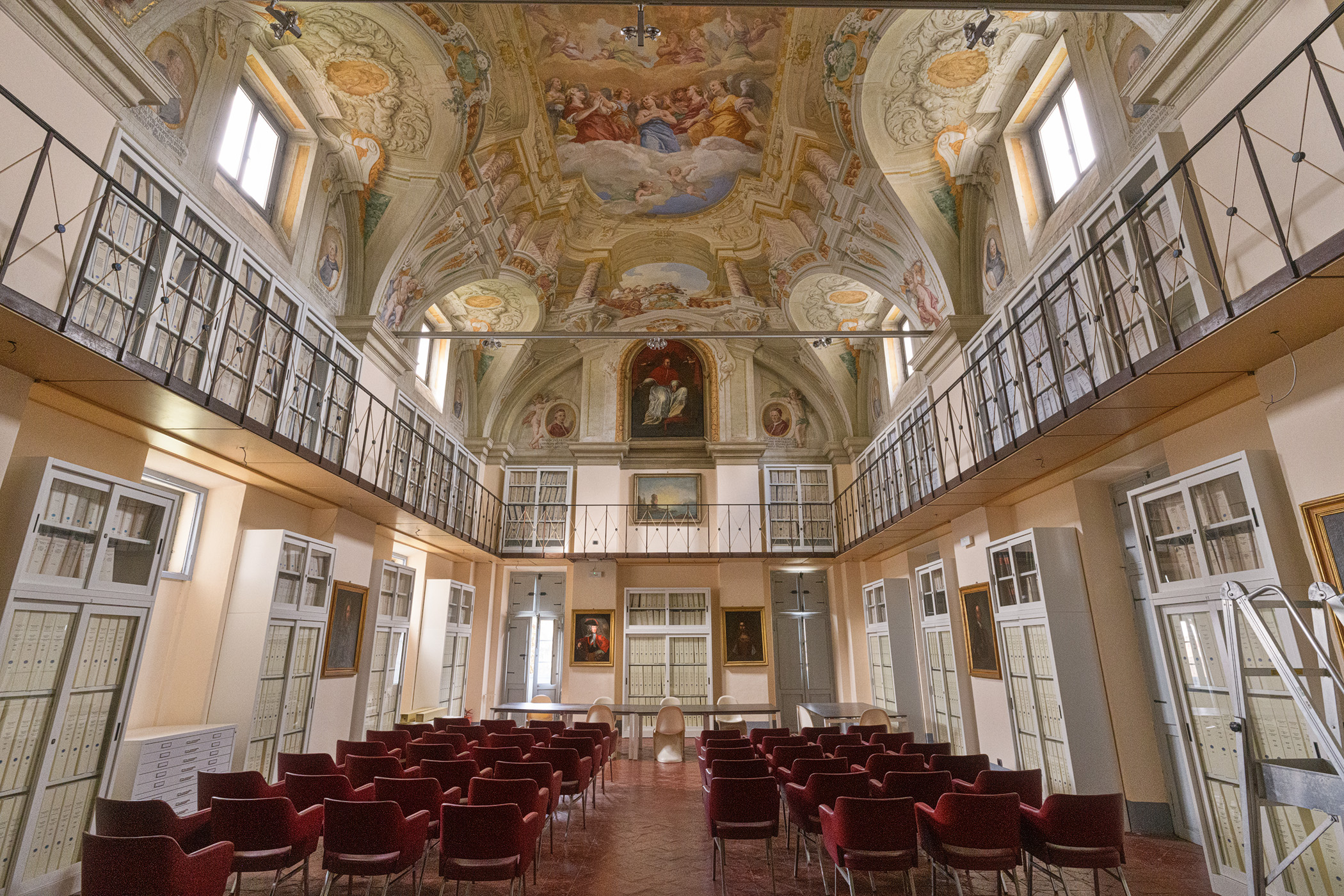
A not so known part of the beautiful Basilica of the Holy Cross in Jerusalem in Rome and the connected Abbey. In the course of its history various Orders of monks have succeeded one another within its walls.
Read more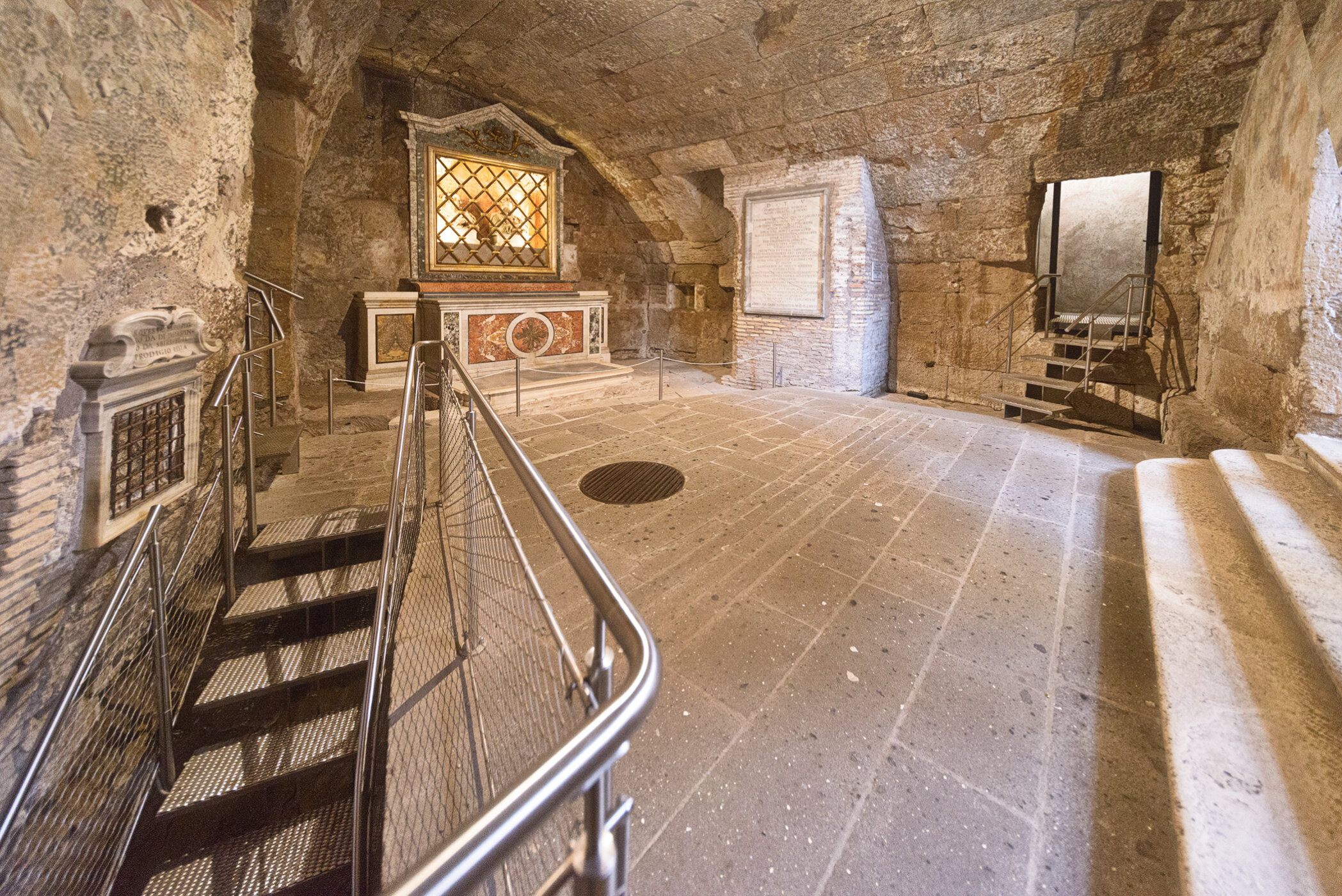
The Mamertine Prison (or Tullian Prison, in Latin Carcer or Tullianum) is the oldest prison in Rome and is located in the Roman Forum. The Tullianum was built, according to Livy, under Anco Martius in the 7th century BC. It was the symbolic prison for illustrious prisoners in ancient Rome.
Read more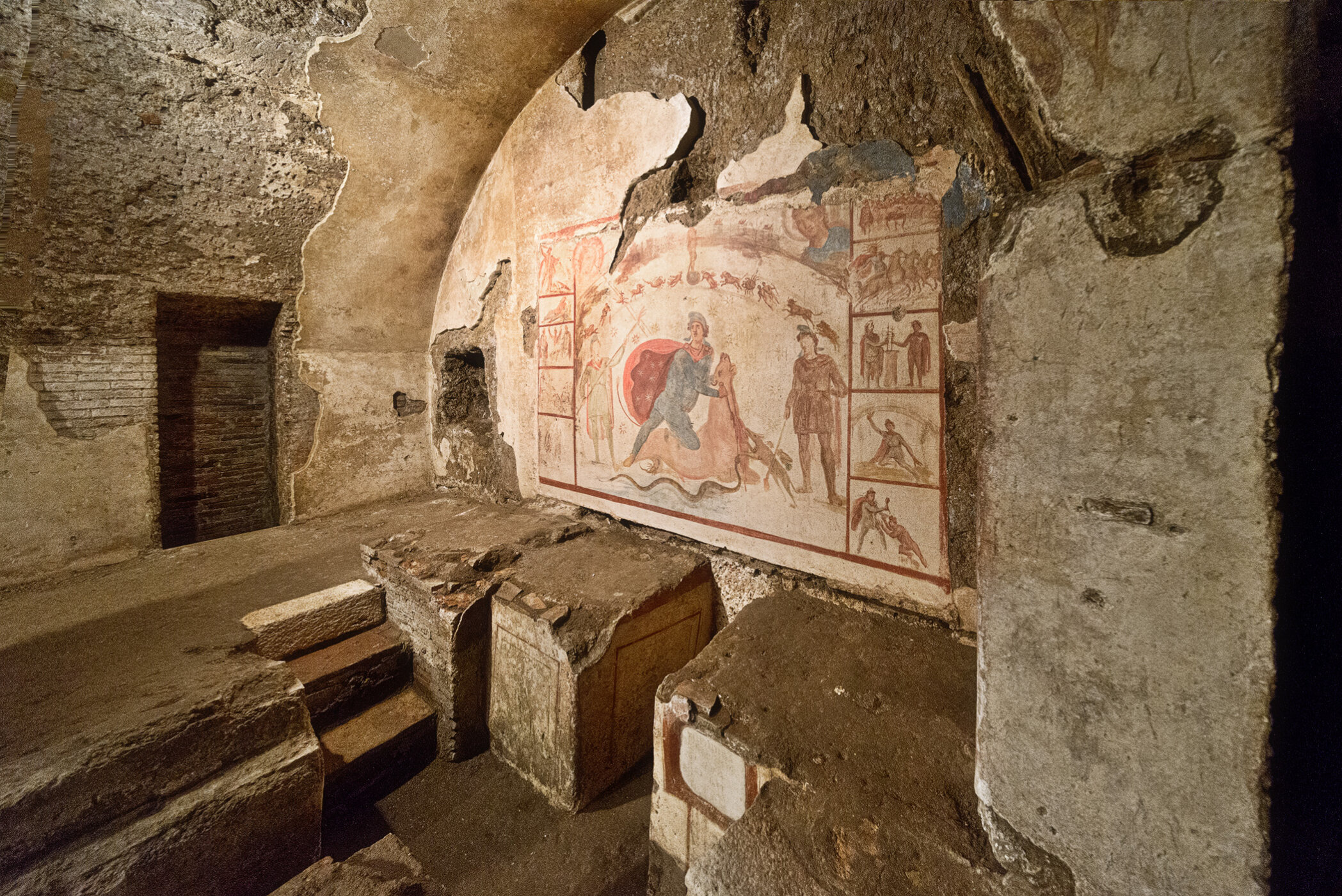
Following construction work in 1936, the remains of a 2nd century building were discovered on the site, the westernmost part of which had been converted into a mithraeum in the 3rd century. It is located at the back of Palazzo Barberini. The central panel shows the usual tauroctonia, i.e. Mithras killing the bull.
Read more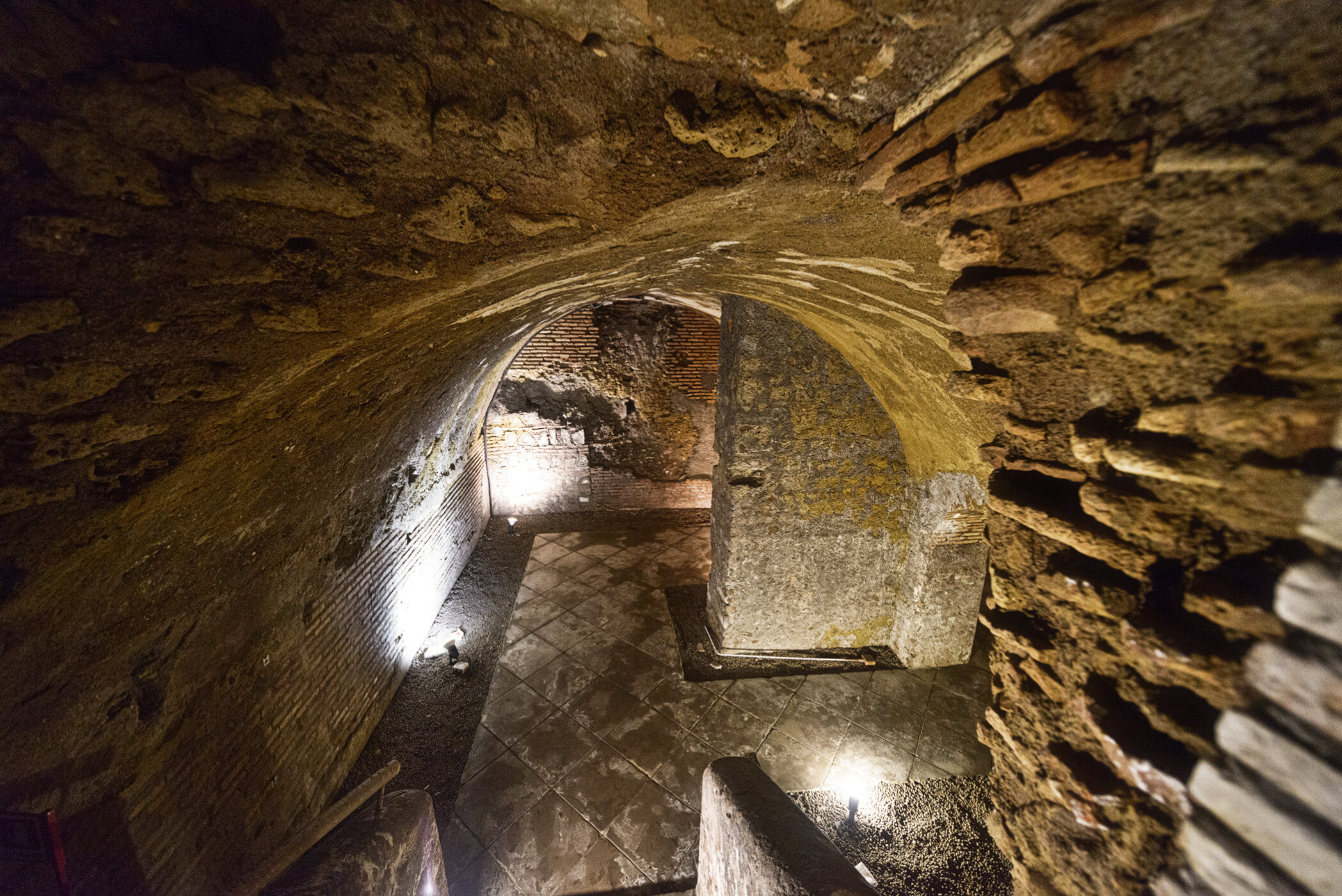
Near the curch named San Paolo della Regola, down the road level, you may find the remains of some recently discovered (1978-1982) ancient houses (or insulae romanae).
Read more
I spent 7 days at the end of January in this splendid, cold place.
Read more
San Crisogono is one of the oldest churches in Rome (the Titulus Chrysogoni being included in the list of tituli as early as 499). The first church was built in the 4th century, under Pope Sylvester I (314-335), but was rebuilt first in the 12th century and then again in 1626 following the will of Cardinal Scipione Caffarelli-Borghese.
Read more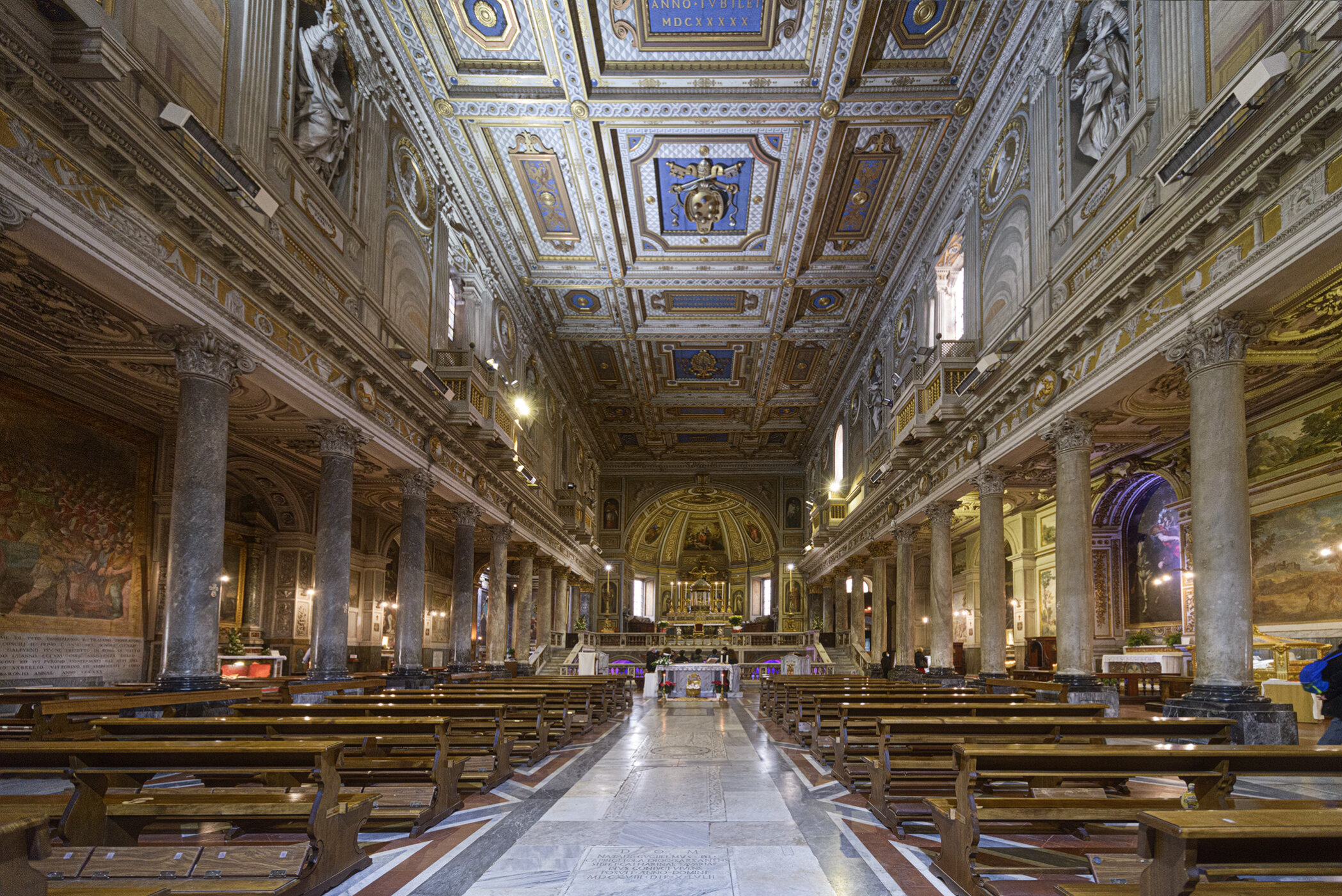
The present church of San Martino ai Monti dates from the Carolingian era, but a 3rd century colonnaded structure has been found under and next to a later church. Most of the pics are shot from under the floor level.
Read more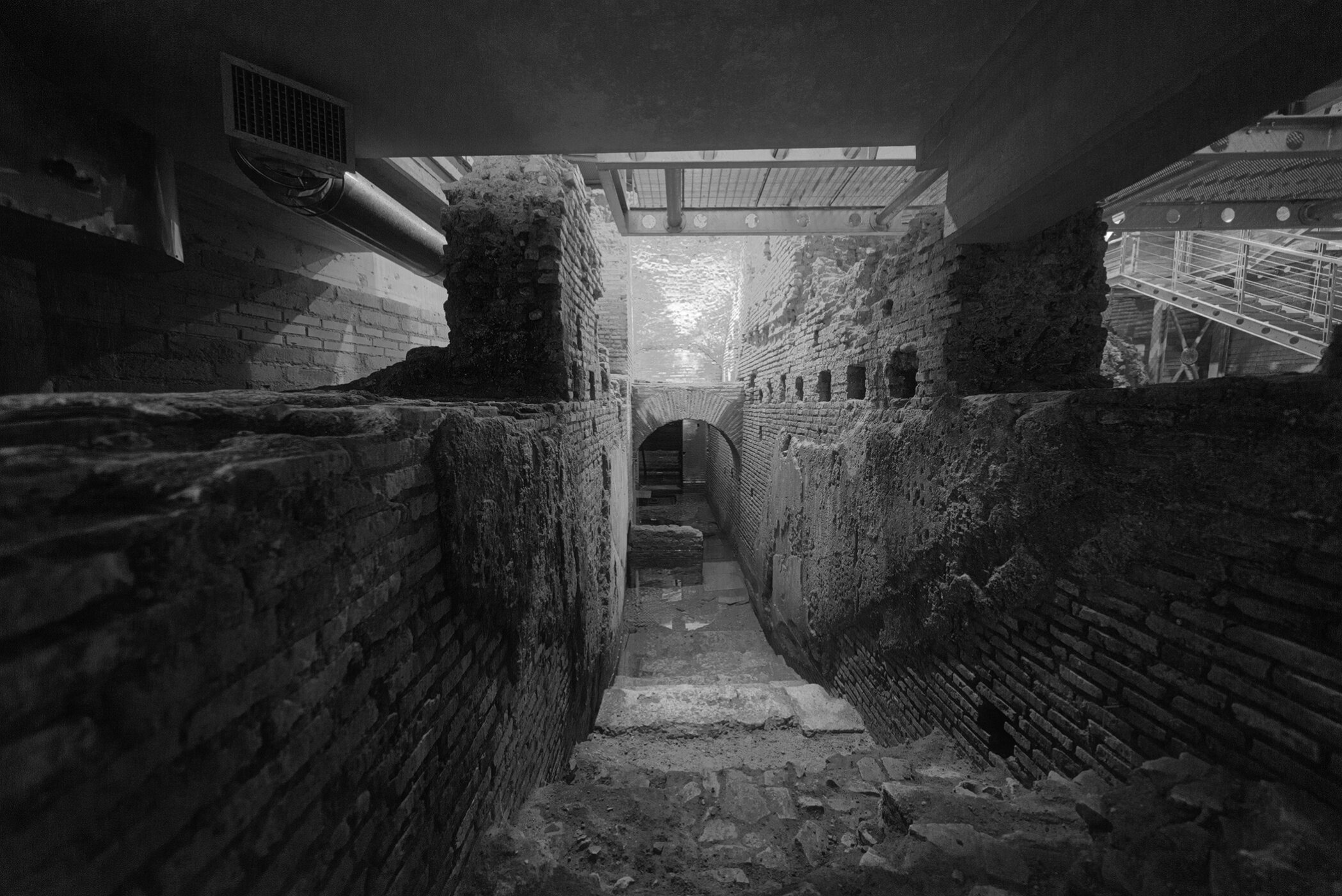
It was built under Agrippa and inaugurated on 9 June 19 B.C.; it originally served the area known as Campo Marzio. The actual name was given by Niccolò V in 1453, who entrusted the work to Leon Battista Alberti, and increased its capacity.
Read more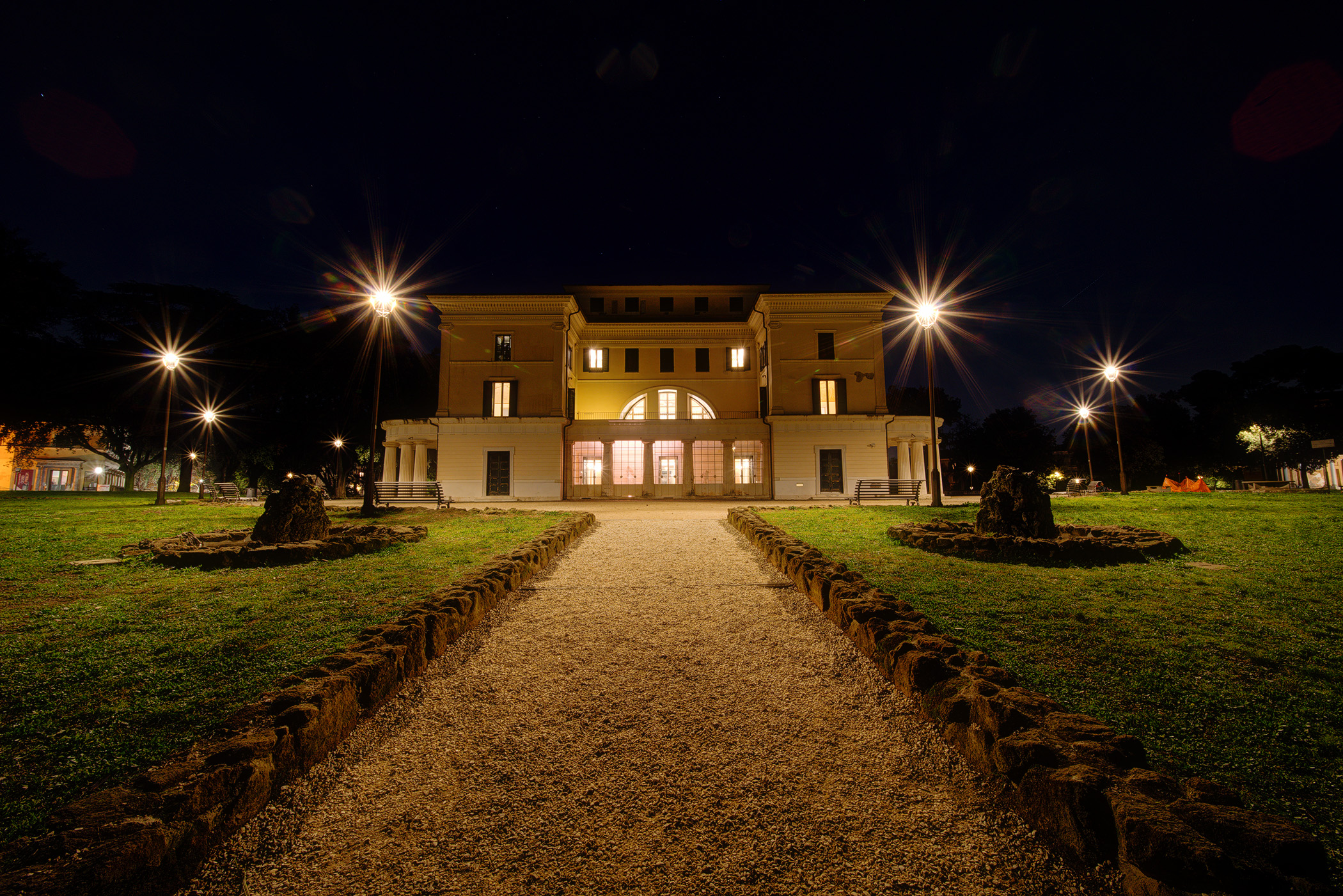
Along via Nomentana, there is Villa Torlonia, a nice park with some little buildings. Formerly owned by the Torlonia family, then the residence of Mussolini, it is now a public park.
Read more