
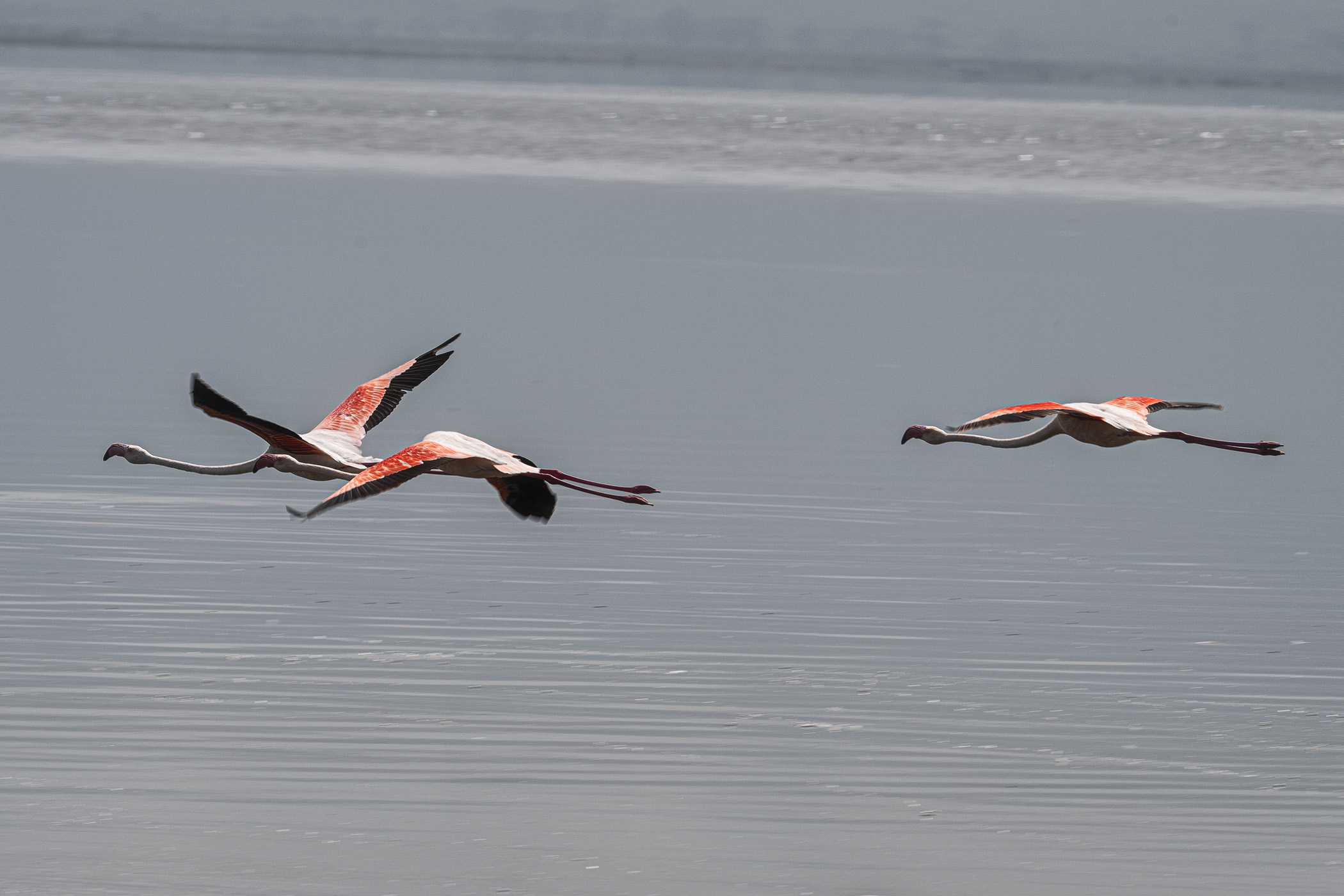
Here are some pics of a beautiful african region in Tanzania, Africa. Forest, savana and a moltitude of different species of animal to take your breath away. Of course my pictures are intended for those who share a special interest (and affection) to wild animals.
Here are my pics ordered by National Parks (and not by animal species)
- Ngorongoro Crater
- Ngorongoro Conservation Area (the Caldera and more)
- Olduvai Gorge
- The Lizer Emanyata Masaï Village
- Arusha National Park
- Tarangire National Park
- Serengeti and Maswa Game Reserve
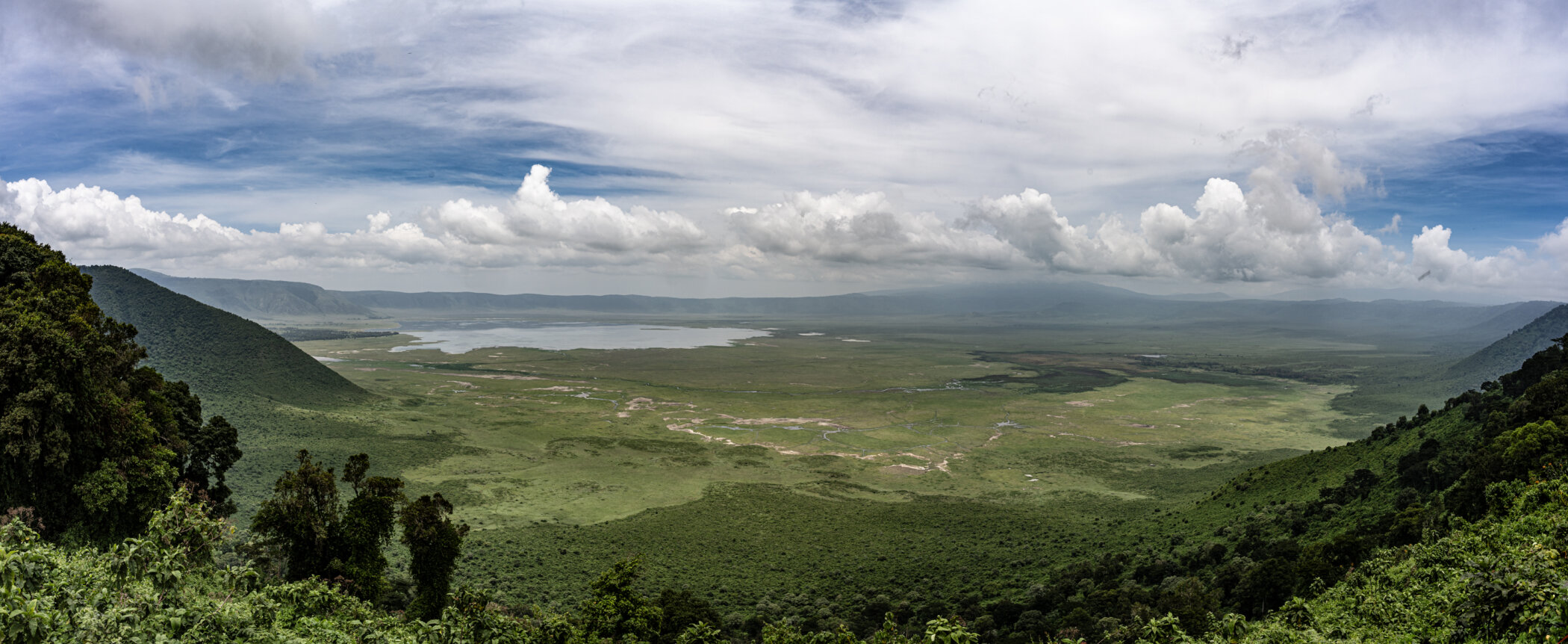
The Ngorongoro Crater is unique and unparalleled in the world. It is what remains of an ancient volcanic cone, whose peak collapsed about two and a half million years ago, creating the current caldera: a truncated cone containing a large “pan” with a diameter of 16/20 km (9/12 miles) with raised edges reaching about 600 metres (2000 feet) over the ground. This basin has developed into savannah inhabited by more than twenty-five thousand big game and every species typical of the region, with the exception of the giraffe(which does not find food here) is represented in the Ngorongoro Crater.
The crater rim reaches an altitude of two thousand three hundred metres and has breath-taking views. The outer slopes are covered with dense primary forest. The Ngorongoro Crater is a true paradise although some aspects mean we cannot consider it the best of the safaris Tanzania has to offer. Its orography (a small plain protected by steep walls) means a safari is not particularly exciting as the animals are all right there and the feel for the quest is lost. For more info you might read here (site from which the previous text has been copied from)
Ngorongoro Conservation Area (the Caldera and more)
Olduvai Gorge is one of the most famous archaeological Sites in the world and often called the “Cradle of Humankind”. It reveals an outstanding record of human biological and technological evolution over the past two million years. This site yielded the very first known fossil remains of two contemporary bipedal hominin species, both datlng to approximately 1.84 million years ago: Paranthropus boisei (“Zinjanthropus” or “Nutcracker Man”, Ieft) and Homo habilis (“Handy Man”, right). These forms were present during the time of the Oldowan “pebble tool” technologies in Bed I and Lower Bed Il at Olduval.
On the left, Paranthropus boisei (formerty called “Znjanthropus”), was the smaller – brained form, with a brain roughly one-third the size of a modern human. Males had a pronounced sagittal crest (ridge) at the top of the skull for the attachment of powerful chewing muscles. The Iower jaw is massive, with huge cheek teeth twice the size of those of modern humans. This lineage appears to become extinct by about 1.4 million years ago. The famous Zinjanthropus skull was discovered at Olduvai Gorge by archaeologist Dr. Mary Leakey in 1959.
On the right, Homo habilis (“Handy Man”), believed to be ancestral to modem hurnans, was the larger – brained form, with a brain roughly half the size of a modern human. It had a more globular skull and greatly reduced jaw and tooth size compared to Paranthropus. Homo habilis is believed to have been the principal maker of early “Oldowan” stone tools at Olduvai Gorge. By 1.8 million years ago it had evolved into the even larger-brained Homo erectus, the maker of more complex “Acheulean” handaxe and cleaver technologies. (All this text is copyright of John Temple Foundation)
The Lizer Emanyata Masaï Village
Serengeti and Maswa Game Reserve
Thanks to Paolo Vimercati and Foto-Corsi school, to whom I am grateful, a sound reality in the italian travel agencies business that organizes tours especially designed for photographers.
