
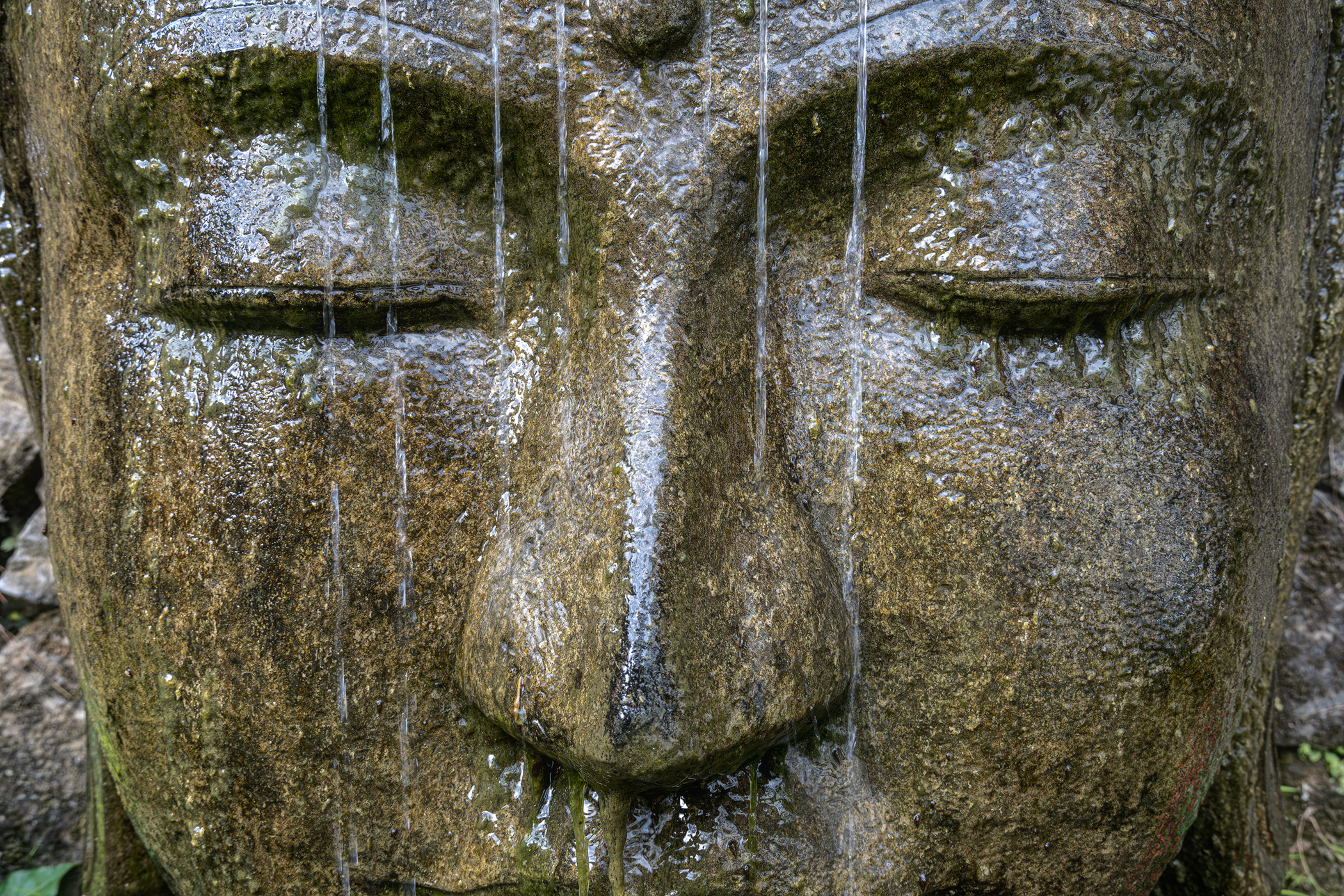
The most astonishing (and fascinating) feature of this land is the presence of a myriad of Hindu and Muslim temples, found everywhere and built in every different yet consistent styles.
The natural landscape and the proximity of the sea lend the area unmistakable characteristics, which vary considerably from one island to another, based on those I have been able to visit.
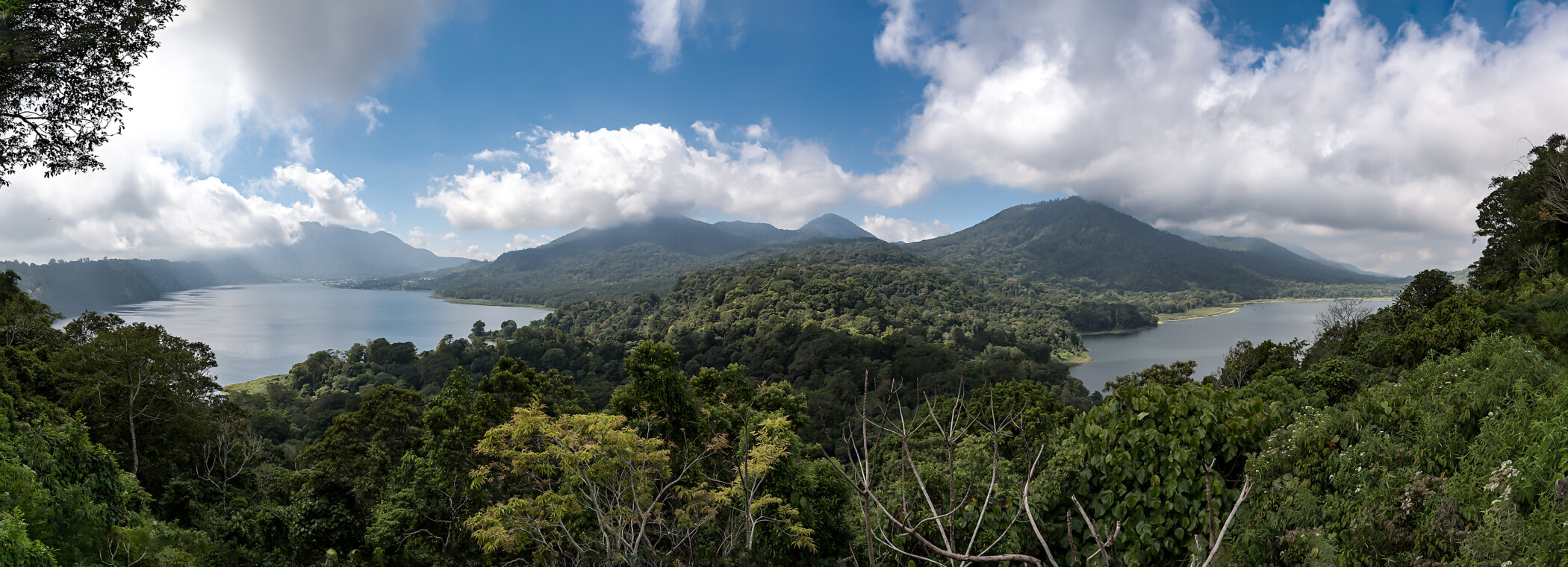
The area near the volcanic region is truly marvellous and highlights the sheer, terrifying power of the volcanoes found there. It is a land of marvellous discoveries and terrifying natural phenomena.
Enjoy my pics!
Mandala Suci Wenara Wana (Monkey Forest)
Tanah Lot Temple is one of the Hindu temples in Bali, standing on a cliff jutting out into the sea. It is one of the most popular tourist destinations in Bali, attracting many tourists from both within and outside of Indonesia, as a scenic spot for beautiful sunsets.
Tanah Lot Temple, standing on a cliff jutting out into the sea, was in danger of collapse due to cliff erosion caused by the rough waves from the Indian Ocean directly hitting the temple. ln 1987, wave-breaking blocks were installed around the temple as a protection measure against waves, but this caused problems such as the damage to the surrounding natural scenery as a scenic spot.
In order to prevent cliff erosion caused by waves without damaging the natural scenery, the Indonesian (Ministry of Public Works) implemented the Bali Coast Conservation Project with assistance from Japan. This project was implemented on four beaches, including cliff erosion countermeasures at Tanah Lot Temple, as well as beach nourishment projects to restore sand to Kuta, Sanur, and Nusa Dua beaches from coastal erosion.
At Tanah Lot Temple, construction was carried out from 2000 to 2003. The cliffs surrounding the temple were protected with artificial concrete panels that imitate natural rocks and an artificial reef (a submerged breakwater made of wave-dissipating blocks sunk into seabed) was installed to weaken the force of waves hitting the temple. This allowed the temple to be protected without damaging the natural scenery.
In addition to the above-mentioned protection measures, the development of a park and parking lot behind the temple, as well as a meeting hall and temple, were also carried out to improve the accessibility of the site for local residents and domestic and foreign tourists. These developments have not only contributed to the survival of the temple but have also contibuted greatly to a significant increase in tourists and as a place of worship for local residents.
Tirta Empul Temple, located in Tampaksiring, Bali, is one of the island’s most revered Hindu temples and a significant spiritual destination. Dating back to 962 AD during the Warmadewa dynasty, the temple is dedicated to Vishnu, the god of water, and is celebrated for its sacred spring, which has drawn worshippers for centuries seeking spiritual cleansing and renewal (cfr. this site) .
Kanto Lampo and Tibumana Waterfalls
Penglipuran Traditional Village and Bamboo Forest
Loh Buaya Komodo National Park (Dragons)
Mount Bromo and Bromo-Tengger-Semeru National Park
Thanks to Filippo Moretti, Francesco Pistilli and Foto-Corsi school, to whom I am grateful, a sound reality in the italian travel agencies business that organizes tours especially designed for photographers.
