
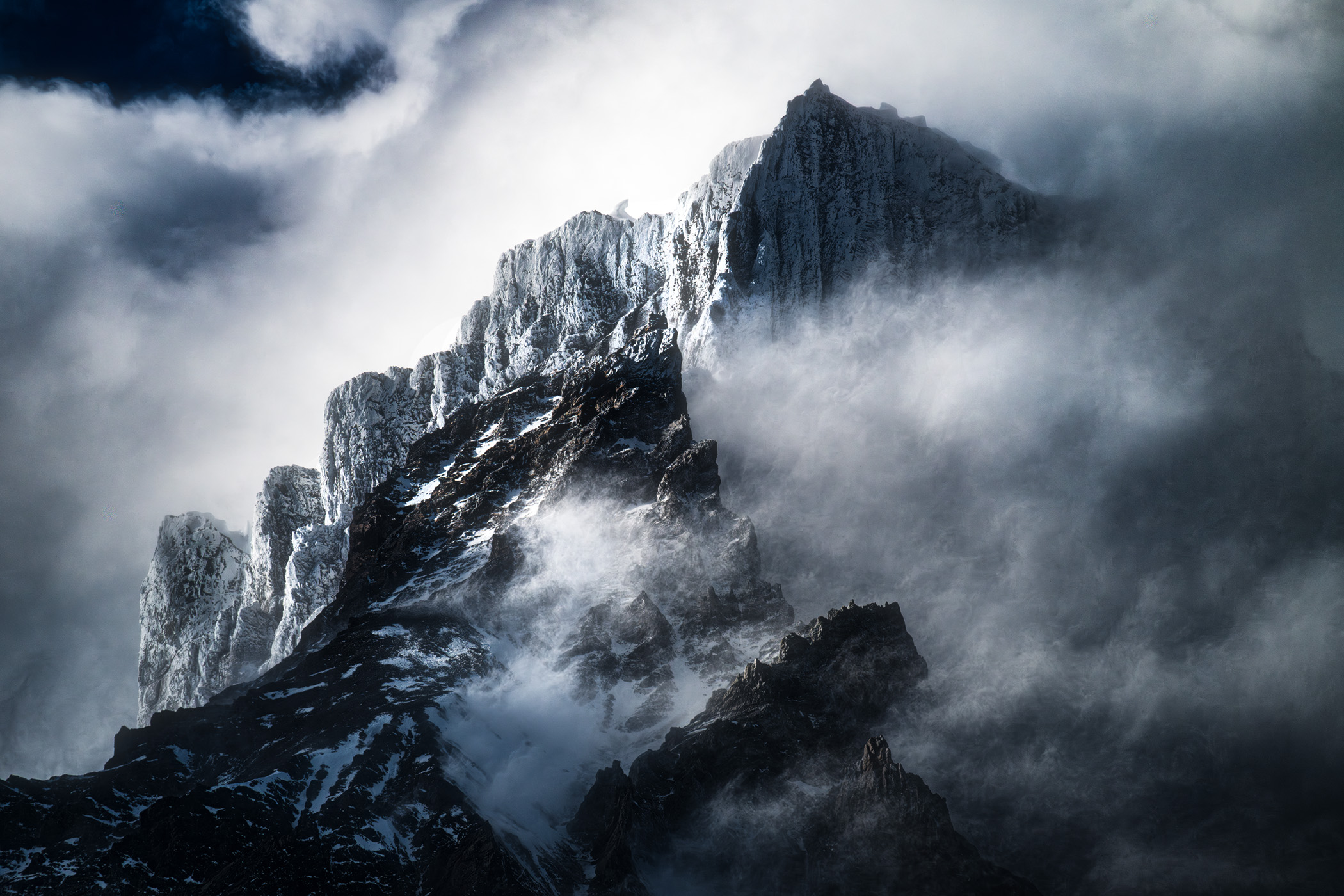
Breath-taking scenarios, countless lenticular clouds, storming winds, rapidly changing weather, ice blocks on salted water, unbelievable colors all around and the like: that’s what you will find (but could never imagine) when visiting such a land across Chilean-Argentinian Patagonian regions.
Patagonia is a large lonely region full of beautiful diverse places all spread through Argentina and Chile. In the following I thought it could be a useful idea to separate the sites I saw by nation; it has not much sense maybe but it is what it is.
Enjoy
- Argentina
- Glaciar Perito Moreno and surroundings
- Río de las vueltas y Fitz Roy
- Laguna Torre (Playa de Los Icebergs), Mirador Emilio Daniel
- Cascada Escondida (Chorrillo del Salto)
- Cascada Escondida (Rio de la Cascada), Secret (?) Lagoon
- Mirador de los Condores (El Chaltén)
- Parque Nacional Torres del Paine
- Parador La Leona
- Baia Mirador Cuernos
- Chile
- Miscellanea
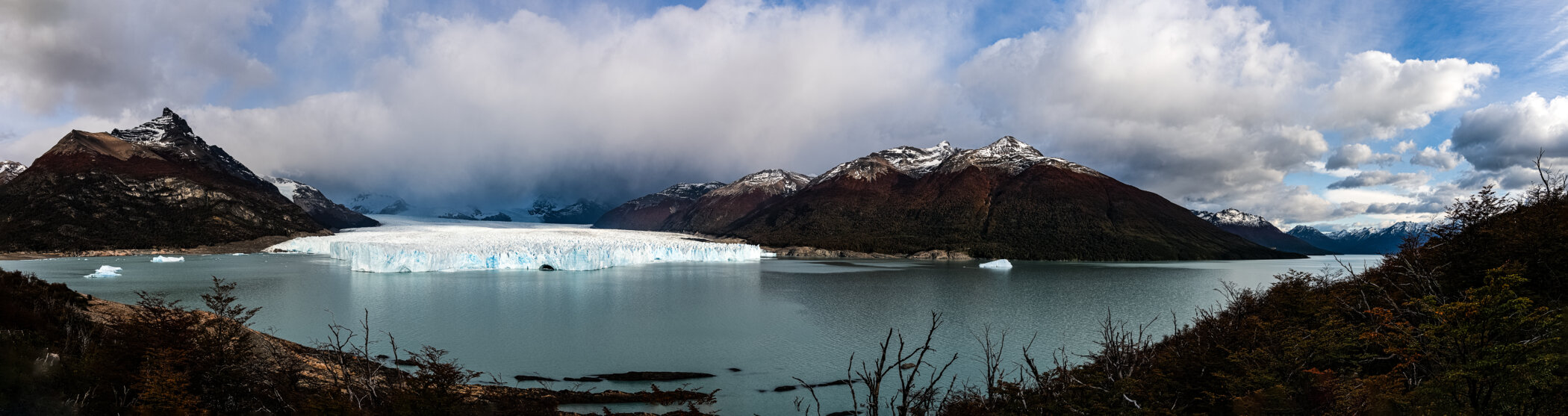
Glaciar Perito Moreno and surroundings
Laguna Torre (Playa de Los Icebergs), Mirador Emilio Daniel
Cascada Escondida (Chorrillo del Salto)
Cascada Escondida (Rio de la Cascada), Secret (?) Lagoon
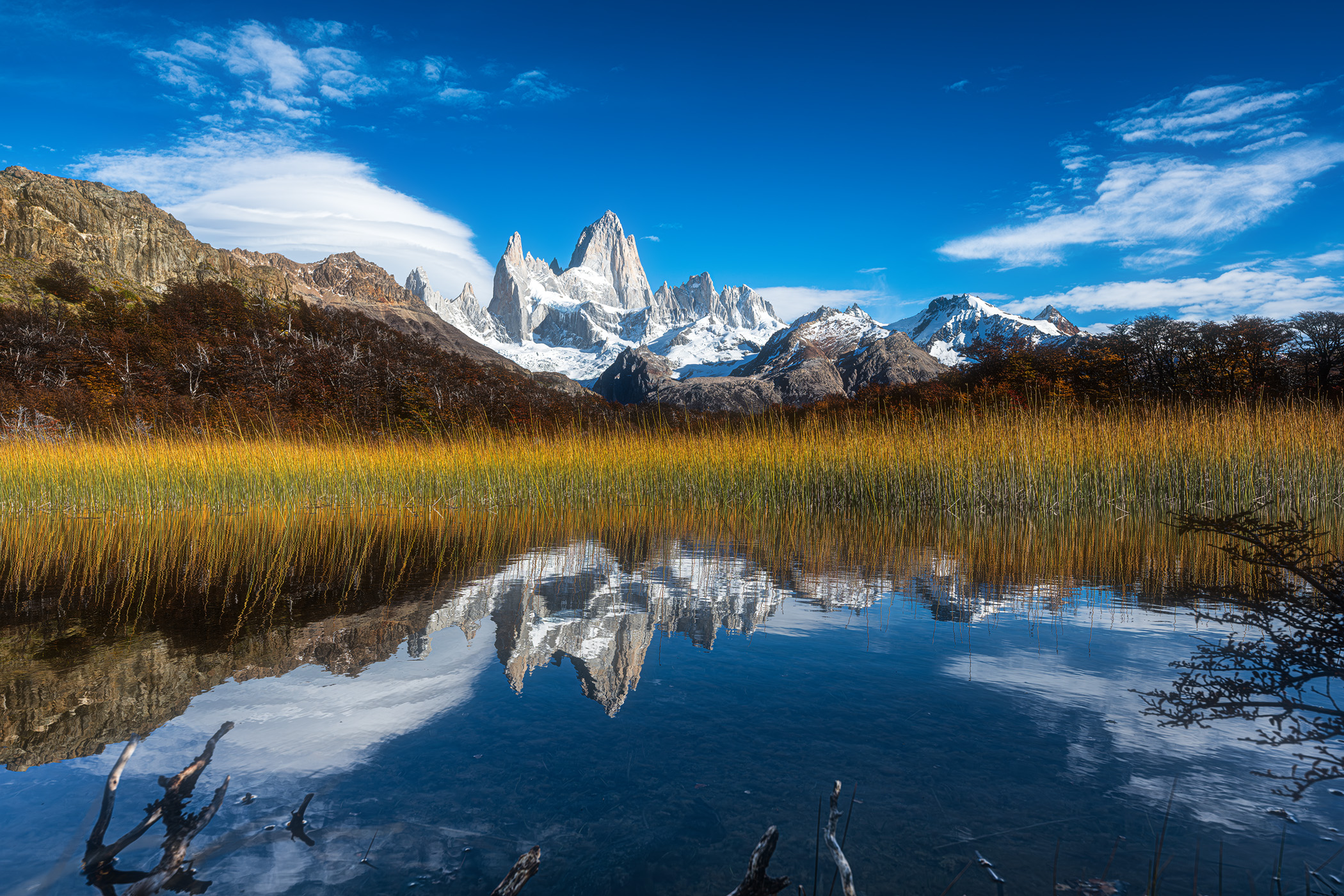
Mirador de los Condores (El Chaltén)
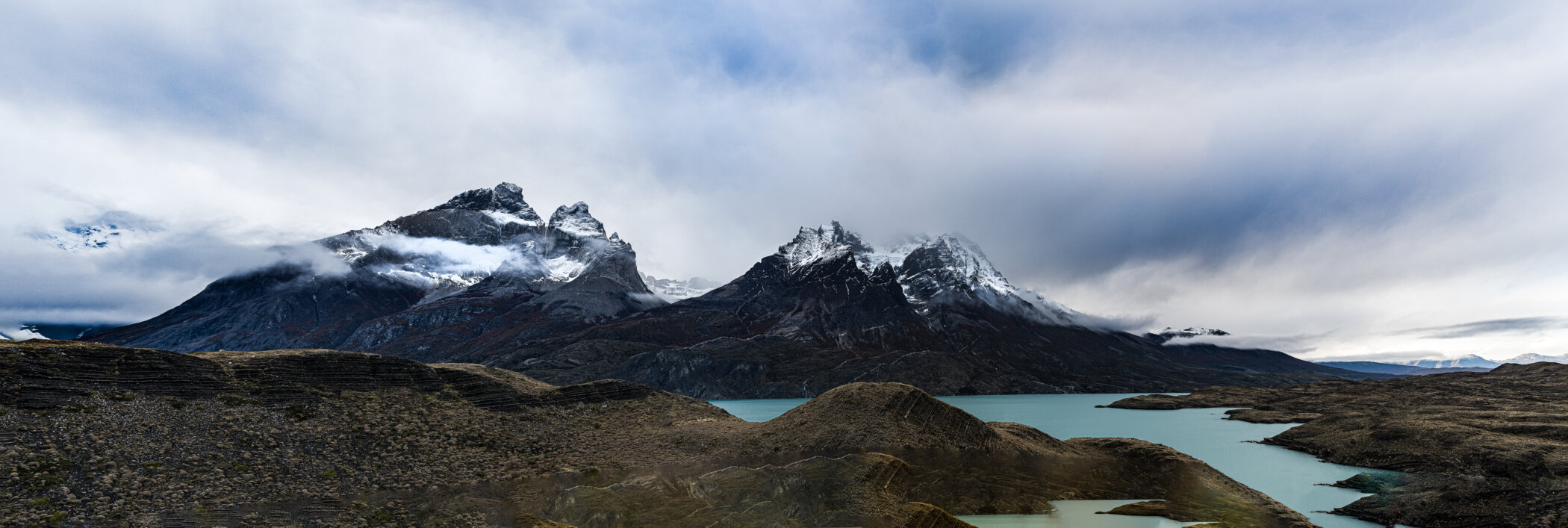
Parque Nacional Torres del Paine
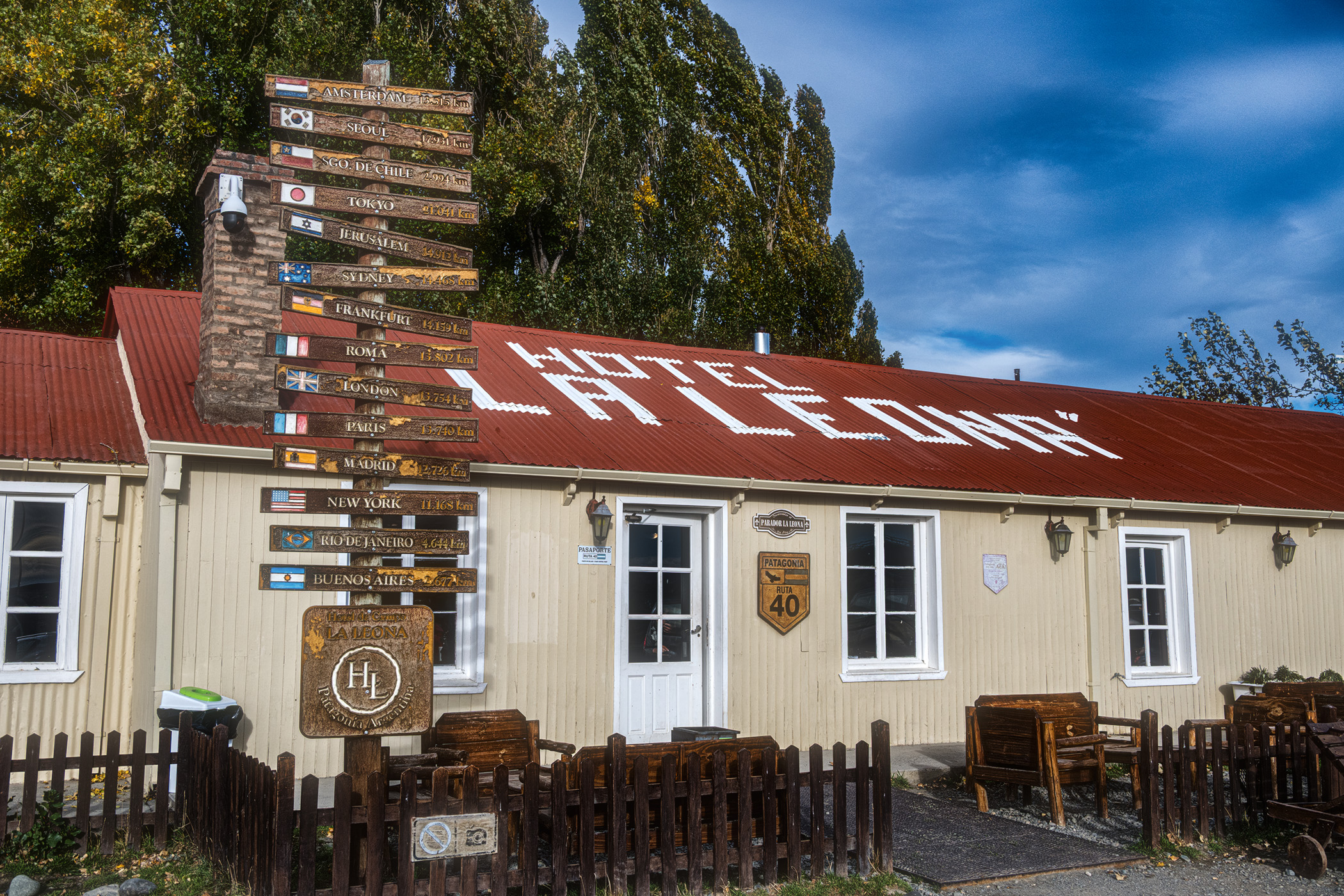
[Text copyright by La Leona hosts and contributors]
“LA LEONA”, Roadhouse and Country Lodge, Historic and Cultural heritage of the Province of Santa Cruz
Placed half the way between El Calafate and El Chaltén, close to the famous Route 40 and at the shore of the river La Leona, you will find the Parador La Leona.
It was here where in 1877 Francisco P. Moreno (The Perito Moreno, a renowned Argentine scientist and explorer) was attacked and badly injured by a female puma (“Leona” in the Patagonian slang); as a result, the river was named “La Leona”.
In 1894 the National Government at that time ordered the construction of a raft that allowed the settlers, as well as their animal and merchandise to travel between the Pacific and Atlantic toast, a trip that at that time took more than a month. 200 meters down the river you can still see the anchors where the raft crossed, which remained in service until 1974 when construction of a bridge was completed.
Around the same period, a family Of Danish immigrants, the Jensen family, started the construction of the roadhouse and country lodge La Leona. The lodge offered settlers shelter because they had to wait severa! days to cross the river with their herds of sheep since the raft could only load 200 animals.
It’s been told that in 1905 three “gringos” stayed here for several days, and then continued on their voyage with an unknown destination.
Shortly after these three “gringos” left La Leona, the police arrived with several photos, and the owners recognized their distinguished visitors. We now know that the guests were Butch Cassidy, Sundance Kid his wife Helen Page, who after robbing the Bank of London and Tarapacà in Rio Gallegos, made a “technical stop” at La Leona before continuing on their fleeing journey.
In 1910 the Petersen family together with a German citizen, Alfred Brodersen, acquired La Leona and increased the lodge size from 2 to 4 bedrooms.
This structure, made with mud bricks is still standing here today. They also built a country bar (saloon) and a general store that functions today as the bar and teahouse of the current road house.
In 1921 a labor strike ended in a bloody repression ordered by the government. In this time, La Leona once again became a place where fugitives were able to hide from the government, and ultimately save their lives.
Father Alberto D’Agostini was, no doubt, another of the celebrities that passed through La Leona. Born in Italy, this Salesian priest combined his priestly vocation with his passion for mountain climbing, leading some epic expeditions on the most inaccessible points of the South Mountain Range.
Some of the world’s most famous climbers have also stayed in La Leona before embarking on the fearless and also deadly expeditions. On February 2, 1952 a French expedition led by Lionnel Terray was the first to summit the Fitz Roy Mountain peak. Louis Depasse, the Argentine lieuenant F. Ibanez, and Jacques Poincenot were also part of this expedition although Poincenot ultimately lost his life.
Casimiro Ferrari, an Italian by birth, but Patagonian by adoption, and one of the world’s greatest climbers of all time, together with his team “I ragni di Lecco” (the spiders Of Lecco) conquered the Cerro Torre for the first time in 1974. The granite and ice walls of Cerro Torre are still considered to be among the most dangerous and exhausting in the world. After falling in with the magnificence of the scenery surrounded him, he settled a few miles awav from here, in the ranch Punta del Lago, until his death in 2001.
Today, afer vears of restoration work, the Kargauer family along with Pablo Quiroz welcome you to celebrate more than 120 Years of history at their roadhouse in Patagonia.
About Ruta 40 [Text copyright by La Leona hosts and contributors]
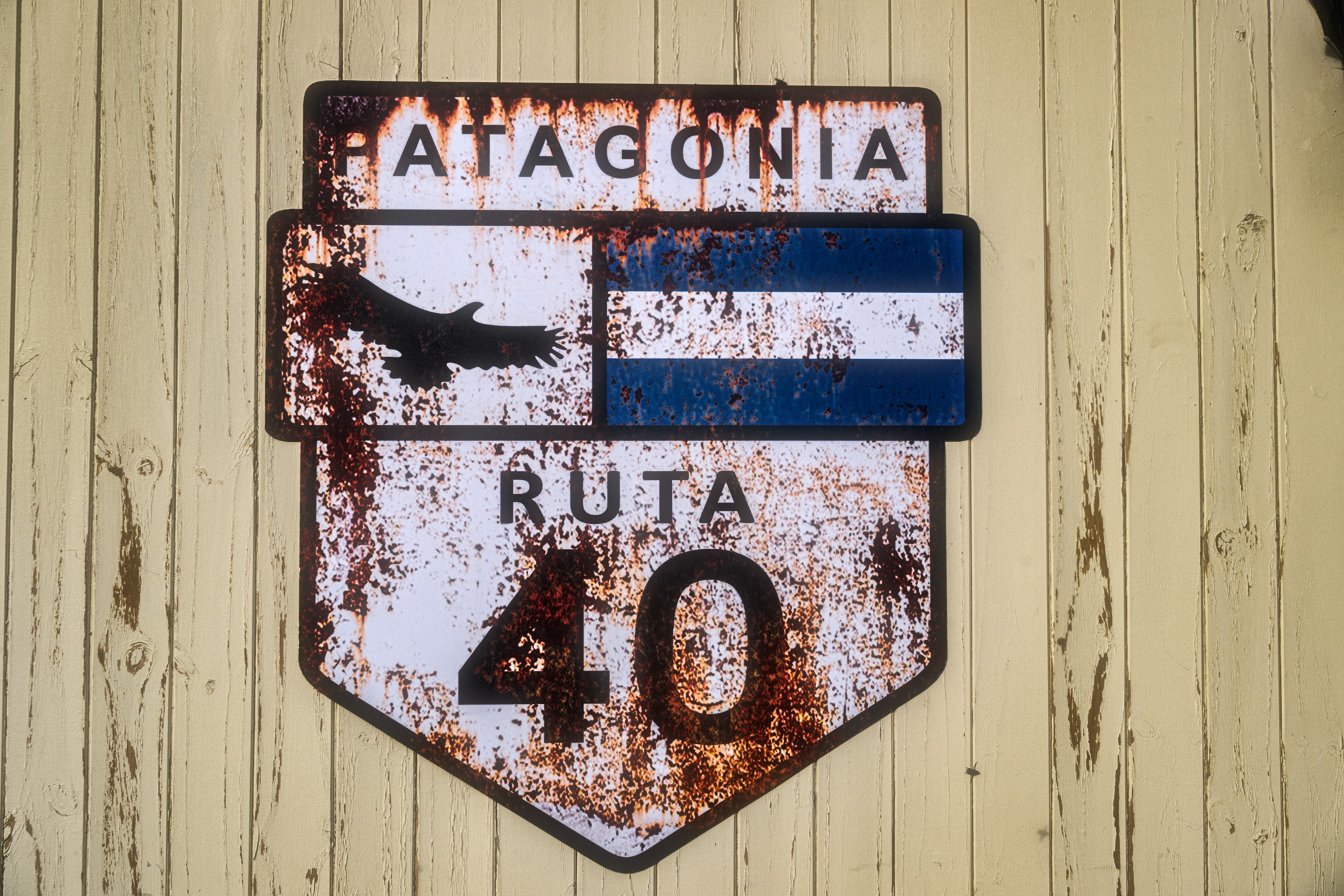
Route 40 is the spinal column of Argentina. Its 5.194 kilometers (3.246 miles) come across many of the most important tourist destinations of the country.
It runs through 14 National Parks, 26 Natural Reserves, 41 border crossings, 11 of the 24 Argentine Provinces, 5 destinations declared Human Heritage by UNESCO, 13 Ski Resorts, 18 important rivers and 236 bridges. From its course you have access to 23 salt flats and it connects more than 200 towns and cities. All of this makes it the longest route in the country and one of the largest in the world, running parallel to the Andes mountain range. At the Province of Santa Cruz and very near from this point, close to El Chaltén (National Trekking Capital), you will have an incredible view of Cerro Torre and Fitz Roy peaks, as well as the giant Viedma glacier and the southern continental ice fields.
It connects many of the most beautiful argentine landscapes, all of them synonymous of adventure. Whoever travels through South Patagonia will be able to visit 90 million year old petrified forests where giant dinosaur fossilized bones can be easily found between petrified tree trunks. Also get amazed by caves with original paintings of the natives that lived nine thousand years ago, or lose their breath watching majestic lakes and amazing glaciers.
The whole route is magic, in all its extension you may experience not only the change from pavement to gravel, but also the change from being in subtropical weather to deep freezing temperatures in only a few kilometers. Its immensity can also be reflected while driving hours without crossing paths with one single vehicle or human being.
This is only a small contribution from Parador La Leona and Estancia La Estela to what we consider one of the most beautiful and exciting tours in the world: THE LEGENDARY ROUTE 40.
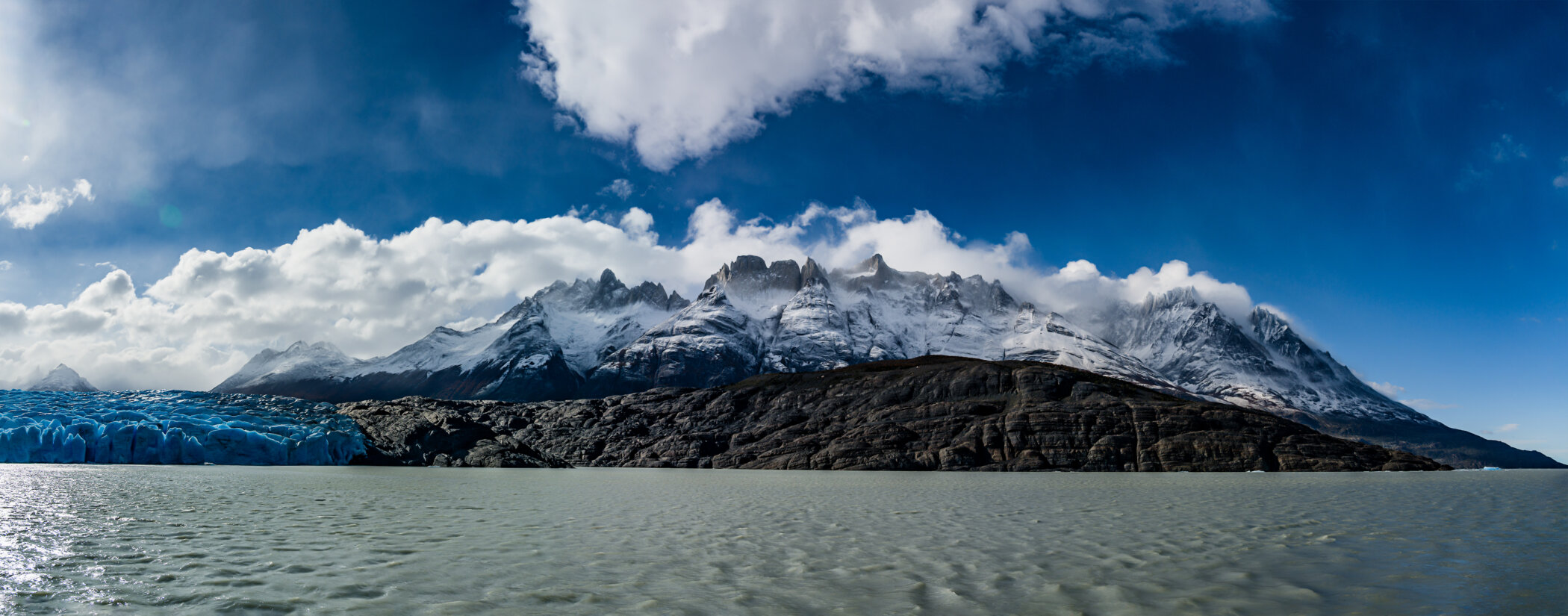
The Grey Glacier is a huge natural ice construction being the largest in the Torres del Paine National Park with an extension of 19 kilometers and a width of 6 kilometers, it forms part of the southern ice fields.
The glacier ice acquires different shades of color according to the light, the time of compaction, in addition to the amount of bubbles and sediments that it contains.
The Grey Lake owes its name to its grey waters of glacial origin, with a surface area of 32.2 km2. A wonder of nature, with its beautiful and giant icebergs falling from the base of the glacier. In addition, you Will have the opportunity to appreciate the Paine Massif from different perspectives.
In the Grey Lake you can do kayaking paddling around large floating icebergs, getting close to the giant ice walls to contemplate them and enjoy a spectacular scenery.
Thanks to Gabriele Lorenzini, Paolo Vimercati and Foto-Corsi school, to whom I am grateful, a sound reality in the italian travel agencies business that organizes tours especially designed for photographers.
